Train smarter.
Run with confidence.
RunGuida helps you decide what to do today - not just follow a plan.
So you show up on race day prepared, not burned out.
For 5K to Marathon runners, Built by a real marathon runner.
Static plans don’t listen.
Life happens.
Runs get missed.
Fatigue builds.Most plans never change.RunGuida does.
Why I’m building RunGuida
I’ve followed training plans.
I’ve ignored fatigue.
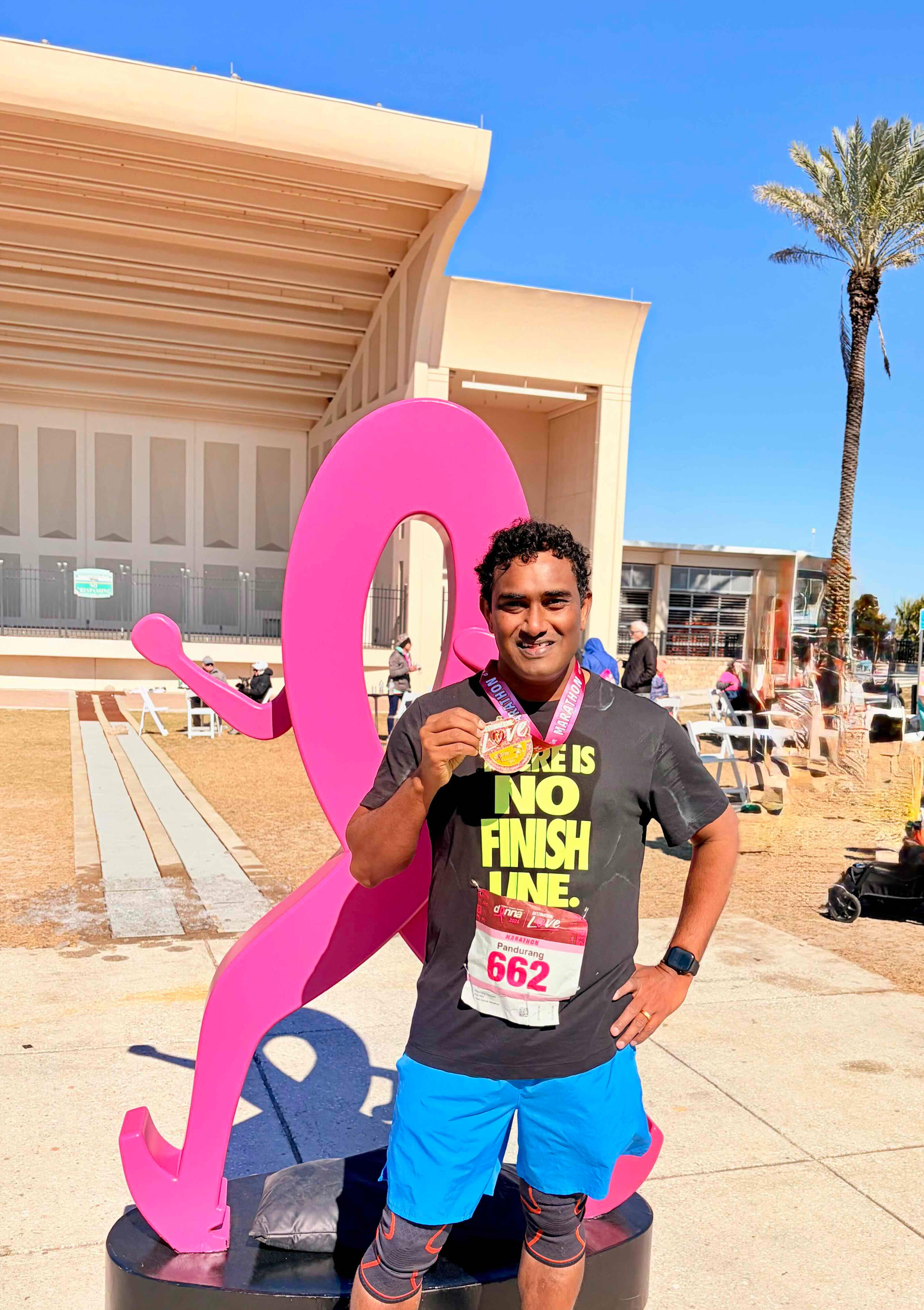
I’ve guessed my way through pain.This was my 11th marathon — and at 42, I ran my personal best (sub-4:30) by training with coaching that adapted to how I actually felt, not just what the schedule said.No blind pushing.
No panic adjustments.
Just smarter decisions, week after week.I finished stronger, healthier, and more confident than ever.
How adaptive coaching shaped my marathon
Meet RunGuida
Your always-available running coach.
RunGuida helps you answer the hardest training questions:
👉 Should I push today?
👉 Should I rest?
👉 Is this normal fatigue or a warning sign?No guessing.
No guilt.
Just better decisions.
Early access spots are limited to shape the first version.
How RunGuida helps
The tech stays invisible. The coaching stays personal.
🧠 Conversational coaching - ask questions anytime🔄 Adapts in real time - missed runs, fatigue, busy weeks🦵 Injury-aware guidance - before problems escalate📊 Learns from your runs - automatically🎯 Built for real life - not perfect training weeks
The technology stays invisible.
The coaching stays personal.
Simple. Adaptive. Personal.
1️⃣ Set your goal
Race, distance, timeline2️⃣ Run & reflect
Your runs sync. You share how you feel.3️⃣ Train with clarity
RunGuida adapts your plan.
Built for real runners
✔ First-time racers
✔ Chasing a PR
✔ Balancing training with work & family
✔ Tired of rigid plans and injuries
❌ Not built for elite pros. Built for committed runners.
Be part of the first runners
Early access members get:
Early app access
Direct feedback with the founder
Founder-only pricing
No spam. Just progress.
Built by a runner, for runners
Join RunGuida Early Access
Get personalized AI half/full marathon coaching before public launch.
You’re on the list! 🎉
Thanks for joining the RunGuida Early Access waitlist.
Here’s what happens next:✅ Early access invite when RunGuida opens
📬 Occasional emails only - training insights, product updates, and launch timing
🧠 Founder-led updates on how AI is being used to coach smarter runnersWe’re starting with a small group of runners to make sure the experience is truly personal and effective.
You don’t need to do anything right now. When it’s time, you’ll receive an email with:
Access details
Onboarding steps
How to start your first AI-guided training plan
Want to help shape RunGuida?
Send email to [email protected] with details:Your next race distance
Your biggest training challenge
No spam. No pressure. Just better training, when you’re ready.
Marathon # 11 at 42:
How I Ran a Personal Best by Training Smarter, Not Harder
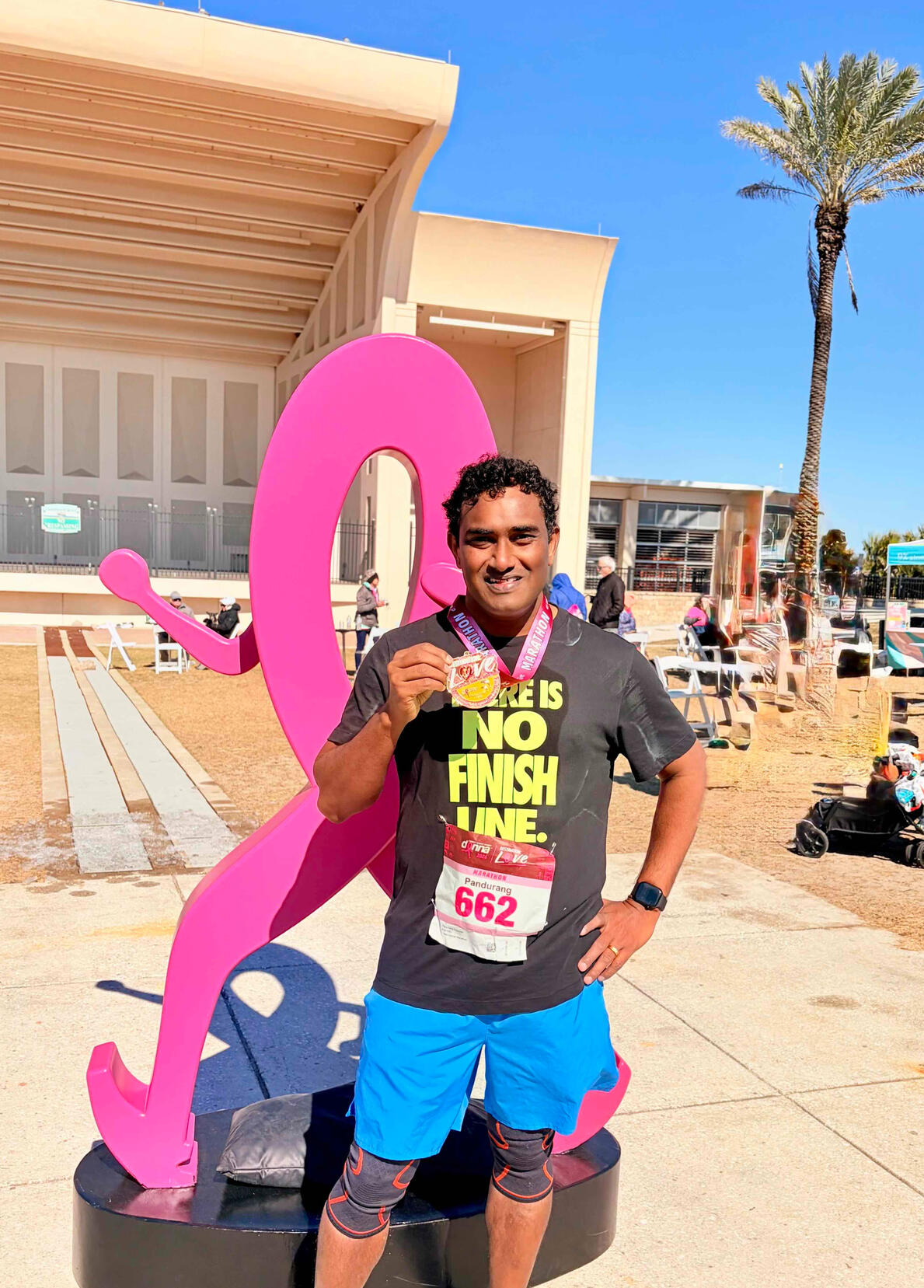
I crossed the finish line of my 11th marathon in 4:28:09.It was a personal best.
And I did it at 42 years old.What made this marathon special wasn’t just the time. It was how I got there - by listening more closely to my body, trusting data over ego, and using an unexpected training partner: AI.Not as a replacement for experience - but as a mirror.
Why This Training Cycle Felt Different
After ten marathons, you stop chasing mileage for its own sake. You’ve already proven you can endure. What you want now is execution—a race that reflects who you are today, not who you were five years ago.This cycle, I decided to be more intentional.After runs, I shared my data—pace, heart rate, cadence, power, weather conditions, and how I felt—and talked it through with ChatGPT as if it were a coach.
Not for motivation.
Not for cheerleading.For thinking.Together, we looked for patterns:
✔ Goal marathon pace: ~9:45–10:00 / mile
✔ Sustainable heart rate: low-to-mid 140s
✔ Power consistency mattered more than chasing pace when fatiguedInstead of guessing, I was validating.
Instead of reacting, I was planning.That shift alone changed everything.
Addressing a Small Issue Before It Became the Race
Midway through the cycle, something familiar appeared: knee discomfort.
Nothing dramatic.
But noticeable.It showed up:
❌ In the first mile
❌ On cold mornings
❌ More stiffness than painIn the past, I might have ignored it. At 42, you learn not to.We adjusted:
✔ Longer, more deliberate warm-ups
✔ Activation drills before cold runs
✔ A race-day layering strategy
✔ Conservative first-mile pacingBy race week, the knee wasn’t magically fixed - but it was predictable.
And predictability is power.
Race Morning: Calm in the Cold
Race start: 7:30 AM
Temperature: 24°F (feels like 12°F)Cold doesn’t scare me anymore - it demands respect.I stuck to the plan:
✔ Two warm layers pre-race
✔ Dynamic drills instead of static stretching
✔ Familiar breakfast
✔ GU gels with caffeine (nothing new, nothing experimental)No panic.
No last-minute heroics.Just execution.
Miles 1–19: Trusting the Process
The first 19 miles were steady and controlled:
✔ Pace: 9:30–10:00
✔ Heart rate: stable
✔ Cadence: consistent
✔ Power: right where it should beThis is where data earns its keep.I didn’t feel fast.
But I knew I was exactly where I needed to be.At mile 19, I realized something quietly powerful - I had managed the race well.
Mile 20: The Honest ConversationAround mile 20, discomfort crept in.
Not injury.
Not collapse.
Just the marathon asking its usual question.
In earlier races, I might have fought it. This time, I adjusted:✔ Slightly reduced pace
✔ Shortened stride
✔ Focused on form, not the watchThat decision likely saved the race.The final 10K wasn’t fast - but it was controlled.
And control is why I still finished under goal.
The Finish: Why This One Matters
4:28:09. Sub-4:30. Marathon #11. Personal Best at 42.This wasn’t about proving toughness.
It was about respecting experience.What made this race different:
✔ Training guided by real data
✔ Decisions based on evidence, not emotion
✔ Adjusting without ego
✔ Trusting preparation over bravadoAnd surprisingly, having an AI coach helped me slow down mentally - to analyze instead of react, to think instead of force.
What This Marathon Taught Me✔ Data doesn’t replace instinct—it sharpens it
✔ Adjusting mid-race isn’t weakness - it’s experience
✔ Preparation shows up most when things start to go wrongMost of all, it reminded me that progress at this stage isn’t always about running faster.
It’s about running smarter.